

Pure 24k gold does not tarnish because it is chemically inert under normal conditions. The confusion comes from the fact that most gold you actually own, like rings, necklaces, and many coins, is not pure gold, it is an alloy mixed with other metals that can discolor.
If you are holding physical bars as an investment or wearing gold every day, this matters because discoloration can signal normal alloy aging, surface contamination, or (sometimes) gold plating wearing off. Below is how purity affects tarnish, what causes color changes, and what to do to keep your gold looking right.
Key Takeaways
- Purity matters: Pure 24k gold does not tarnish, but any gold alloyed with other metals (like 10k, 14k, or 18k) can discolor over time.
- Environmental triggers: Exposure to moisture, sulfur, and certain household chemicals are the primary causes of gold discoloration.
- White gold maintenance: White gold requires periodic “replating” because its protective rhodium layer wears down, revealing the yellowish metal beneath.
- Safe cleaning: Most tarnish can be removed with mild dish soap and warm water, though professional help is recommended for valuable or delicate pieces.
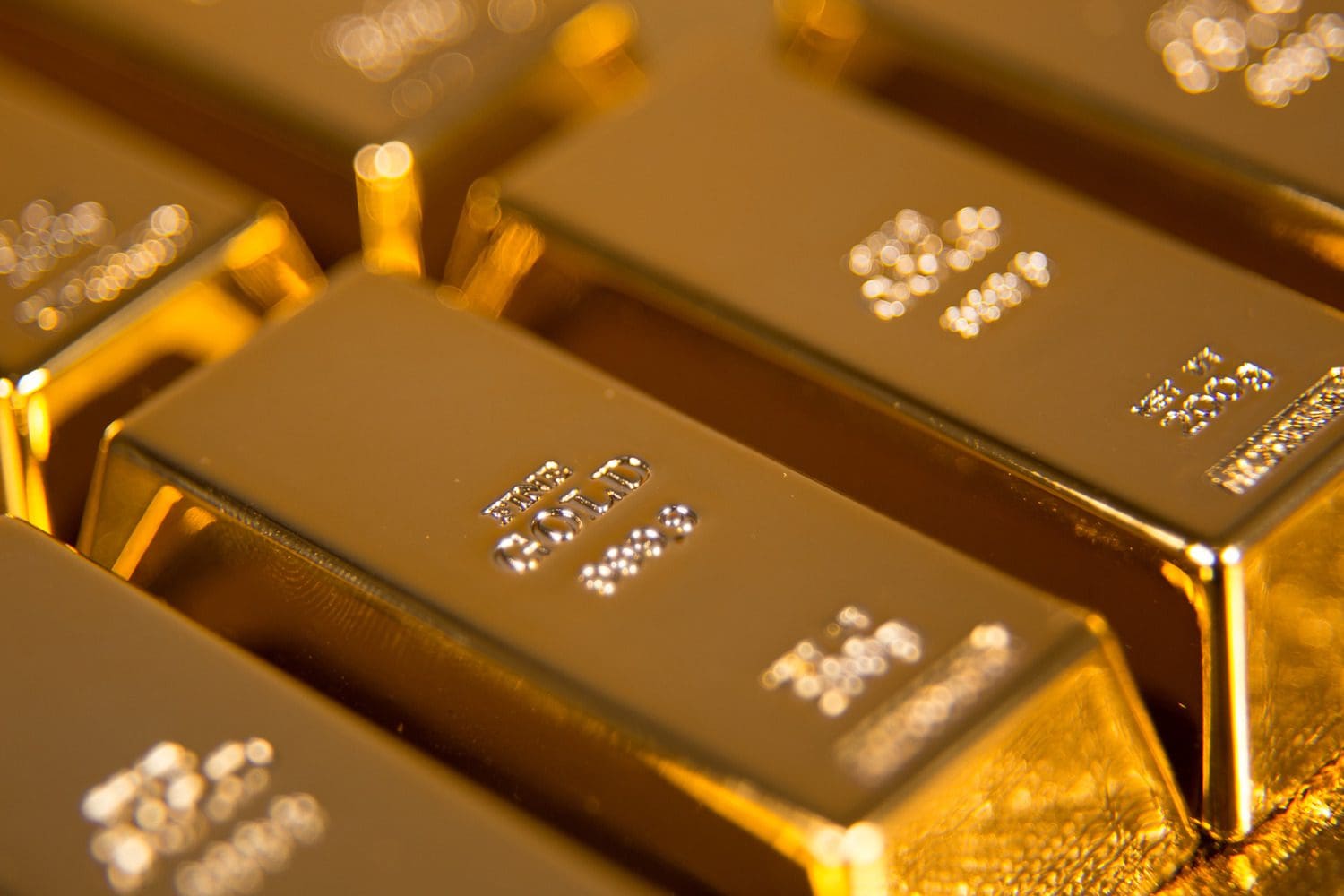
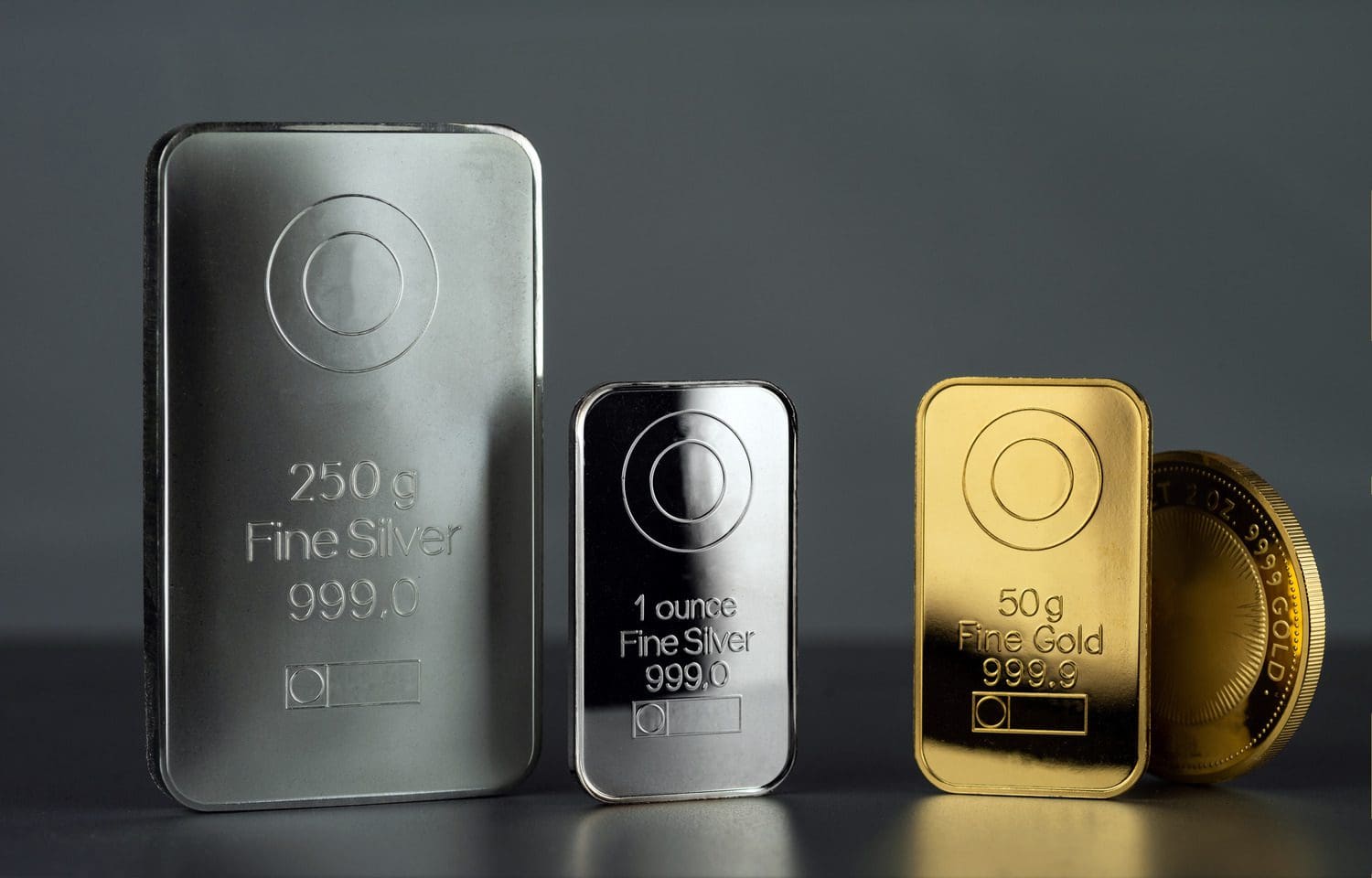
24-karat gold does not tarnish under normal conditions because it is a “noble metal” that does not react with oxygen or moisture. In practice, this is why 24k gold bars and many high-purity coins can sit in storage for decades without rusting, corroding, or forming a tarnish layer.
That said, even high-purity bullion can sometimes show small red or orange marks, often called “copper spots.” These happen when microscopic traces of copper on the surface react with air.
They usually do not change the intrinsic metal value, but they can affect the look of a coin and potentially its collectible premium. According to U.S. Mint guidelines, proper handling helps preserve the condition of numismatic and bullion products.
Why does lower karat gold jewelry change color?
Lower-karat gold changes color because it contains more non-gold metals that react with air, moisture, and chemicals. Most jewelry is 10k, 14k, or 18k gold, meaning it is an alloy.
Knowing how to buy quality jewelry helps you avoid pieces that discolor quickly due to higher proportions of reactive metals like copper, silver, nickel, or zinc.
When the silver or copper in the alloy reacts with oxygen or sulfur compounds in the air, a darker surface layer can develop. What actually matters here is the mix, 10k gold has a higher percentage of base metals than 18k gold, so it is more likely to tarnish and do it sooner.
Humidity, salt air, and frequent exposure to lotions or sweat can speed things up.
Does white gold or rose gold tarnish faster?
Rose gold often darkens faster than yellow gold because it contains more copper, and copper is reactive. Over time, that can create a deeper tone or a subtle patina that some people like and others read as discoloration.
The trade-off is durability and color, higher copper content can make rose gold tougher, but also more prone to visible aging.
White gold is different because the “tarnish” look is usually plating wear, not corrosion. White gold is typically yellow gold mixed with white metals, then plated with rhodium for a bright, silvery finish.
As the rhodium wears down from friction and daily wear, the warmer underlying metal can show through and look yellowed. As Investopedia explains, gold's value is tied to purity, but the appearance depends heavily on the alloy and any plating.
How can you identify real gold vs. gold-plated items?
Gold-plated pieces are more likely to flake, fade, or reveal a different metal underneath, and that is often the first visual giveaway. If you see green, black, or silvery metal showing through a worn “gold” surface, it is more likely gold-plated or gold-filled than solid gold.
The mistake most people make is assuming any discoloration means “fake,” when it can also be normal alloy reaction or surface buildup.
- Magnet test: Pure gold and common gold alloys are not magnetic. If your item sticks to a strong magnet, it likely contains iron or steel in the core.
- Hallmark check: Look for stamps like 14k, 18k, or 585. If you see “GP” (Gold Plated), “GF” (Gold Filled), or “RGP” (Rolled Gold Plate), the piece has a thin gold layer that can wear through as the base metal oxidizes.
- Acid testing: For high-stakes purchases, a jeweler can use a nitric acid test to confirm whether the gold content matches the stamp.
Does exposure to chemicals cause gold to corrode?
Chemicals can permanently damage gold jewelry because they attack the alloy metals, even though gold itself is resilient. Chlorine is the big one.
Exposure to chlorinated pool water or household bleach can cause stress corrosion cracking in gold alloys, making prongs or links brittle enough to snap.
Other common culprits include:
- Sulfur: Found in some foods (like eggs), heavy pollution, and certain rubber products.
- Personal care products: Hairspray, perfumes, and lotions can leave a film that dulls gold and may react with alloy metals.
- Sweat: The salts and acids in perspiration can tarnish lower-karat gold, especially with frequent wear.
How can you remove tarnish without damaging the gold?
You can usually remove light tarnish or dull buildup with warm water and mild dish soap. A NerdWallet analysis notes that maintaining the physical condition of gold is important for achieving the best resale value, especially for coins and jewelry.
- Soak: Place the gold in a bowl of warm water with a few drops of mild dish soap.
- Brush: Use a very soft-bristled toothbrush to gently clean crevices. Do not use toothpaste, it is abrasive and can scratch soft gold.
- Rinse and dry: Rinse thoroughly with warm running water and dry with a soft, lint-free cloth.
For heavier tarnish or intricate settings, a jeweler can use ultrasonic cleaning or steam. Do not use those methods for proof coins or investment-grade bullion, cleaning can reduce a coin's numismatic value.
What are the best practices for storing gold?
Storing gold properly reduces exposure to moisture, air contaminants, and reactive materials that speed discoloration. Whether it is an heirloom or an investment bar, choosing the right place to store your physical gold is the simplest way to prevent avoidable surface issues.
- Use soft pouches: Store items individually in microfiber or silk to prevent scratching.
- Control the climate: Keep gold in a cool, dry place. If you use a safe, silica gel packets can help absorb excess humidity.
- Avoid tarnish-prone materials: Do not store gold directly against wood (which can be acidic) or rubber bands (which can contain sulfur).
- Keep it separate: Keep gold away from silver jewelry, since silver tarnish can involve sulfur compounds that affect nearby items.

Top Gold Dealers for Physical Investment
| Dealer | Minimum Investment | Storage Fee | Learn More |
|---|---|---|---|
| American Hartford Gold | $5,000 / $10,000
$5,000 for cash purchases / $10,000 for gold IRA |
$200 - $280 | Read Review |
| Augusta Precious Metals | $50,000 | $200 - $250
$250 first year, $250 after that. Estimated annual fee for storage |
Read Review |
| Goldco | $15,000 / $25,000
$15,000 for cash purchases / $25,000 for gold IRA |
$100 - $150
Non-Segregated: $100 | Segregated: $150 per year . Estimated annual fee. |
Read Review |
The Bottom Line
Pure 24k gold does not tarnish, but most gold jewelry and many consumer pieces are alloys that can discolor when exposed to air, moisture, sweat, sulfur, or chemicals like chlorine. Keep your gold dry, minimize chemical exposure, and store it in a cool, low-humidity environment to preserve both appearance and value.