

As 2025 concludes, a notable shift is emerging in how Americans manage their personal finances.
Fidelity's 17th Annual Resolutions Study reveals that consumers are actively engaging in “planning with purpose” for the new year, moving beyond general intentions. This trend indicates a growing desire to establish clear, actionable financial goals and adopt long-term planning strategies, even amid economic challenges.
The study, released on December 11, 2025, underscores a collective move towards more intentional financial management.
For many U.S. consumers, who feel “financially stuck” due to economic uncertainty and anticipated cost-of-living increases, this focus on purposeful planning offers a potential path to strengthen their financial futures. Fidelity’s insights suggest that translating financial aspirations into concrete steps can yield tangible results.
Key Takeaways
- Americans are increasingly adopting “planning with purpose,” moving beyond generic financial resolutions to set specific, actionable financial goals.
- This proactive approach is driven by a desire for greater financial security amid persistent economic uncertainty and rising costs.
- Successful planning involves defining clear, measurable goals, breaking them into smaller steps, and tracking progress consistently.
- Automation and leveraging brokerage tools, such as recurring transfers and structured savings plans, are key to turning intentions into habits.
- Connecting financial goals to personal values and life aspirations significantly boosts motivation and long-term commitment.
Why Are Americans Embracing Purposeful Planning Now?
The current economic climate significantly influences this shift toward purposeful planning.
Despite some easing of immediate concerns, U.S. consumer spending patterns in late 2025 indicate widespread caution. According to Resonate's Fall 2025 Consumer Trends Report, 44% of Americans believe the economy will never return to “normal.”
This sentiment is leading households to make significant cuts to optional spending, prioritizing “future essentials” over discretionary purchases. Many consumers feel strained by their post-bill savings capacity, with Fidelity highlighting that 35% struggle to save after covering expenses.
In this environment, purposeful planning supports resilience and helps navigate unavoidable cost-of-living increases in areas such as housing, energy, and utilities. For many households, a clear financial plan can protect cash flow, manage debt, and support long-term financial wellness despite economic headwinds.
What Does “Planning with Purpose” Really Mean?
Fidelity's research indicates that proactive financial planning increasingly centers on structured strategies, enabling consumers to navigate uncertainty.
The 2026 New Year’s Resolutions Study reports that 64% of Americans are setting financial resolutions focused on realistic, specific goals. These goals often include building emergency funds or reducing debt.
This approach moves beyond vague aims like “save more” toward specific, measurable targets, such as saving “$500 monthly for an emergency fund” or paying down “$2,000 in credit card debt by June.”
The emphasis is on connecting financial goals to personal values, transforming abstract aspirations into actionable steps aligned with meaningful life objectives like security or freedom. In practice, purposeful planning frequently encompasses budgeting, saving, investing, and debt management decisions, all supporting a clearly defined financial purpose.
How Does Fidelity's Study Relate to Your Financial Goals?
Fidelity's New Year’s Resolutions research provides insights into how Americans approach money and long-term planning. To apply these findings to your own finances, consider how Fidelity's offerings could support your financial goals, whether for retirement planning, building an emergency fund, or reducing high-interest debt.
The study highlights behaviors such as goal-setting, progress tracking, and automation. It offers a framework individuals can apply to their own financial objectives. Whether your focus is retirement planning, emergency savings, or debt reduction, the principles of clarity, specificity, and consistent follow-through remain essential.
How Can You Define Your Own Financial Purpose?
Defining your financial purpose involves connecting your financial goals to what genuinely matters in your life.
Instead of generic resolutions, consider what financial stability or growth could enable you to achieve. For example, do you aim to save for a child's education, buy a home, start a business, or ensure a comfortable retirement?
Fidelity’s 2026 study notes that resolutions are more likely to succeed when tied to meaningful life objectives.
Experts recommend making goals specific and realistic, then documenting them to build accountability. Breaking down larger objectives into smaller, manageable milestones can also help; 27% of successful planners cite progress tracking as key to staying motivated.
This process may involve setting time-bound targets, identifying your risk tolerance, and aligning each goal with a suitable savings or investment approach.
What Are the Actionable Steps for Goal Achievement?
Translating financial goals into actionable steps demands specificity and systems that automate progress.
Fidelity’s 2025 New Year’s Financial Resolutions study found that 71% of Americans now create concrete plans to reach goals, with 26% citing “clear and specific” targets as key to success. For instance, instead of aiming for a vague goal like “save for a down payment,” one might specify “save $500 monthly for a $24,000 down payment in four years.”
Practical execution often relies on automation.
Services like robo-advisors can significantly aid this process. Tools such as Fidelity’s Smart Habits, for example, allow users to start with just $1 weekly, scaling up gradually.
Setting up recurring transfers to a dedicated savings or investment account helps treat savings like a non-negotiable bill.
Furthermore, adopting a structured budget framework, such as the 50/15/5 rule (50% for essentials, 15% for retirement, 5% for emergency savings), can prioritize spending and saving. These methods transform intentions into consistent habits, reinforcing long-term commitment without relying solely on willpower.
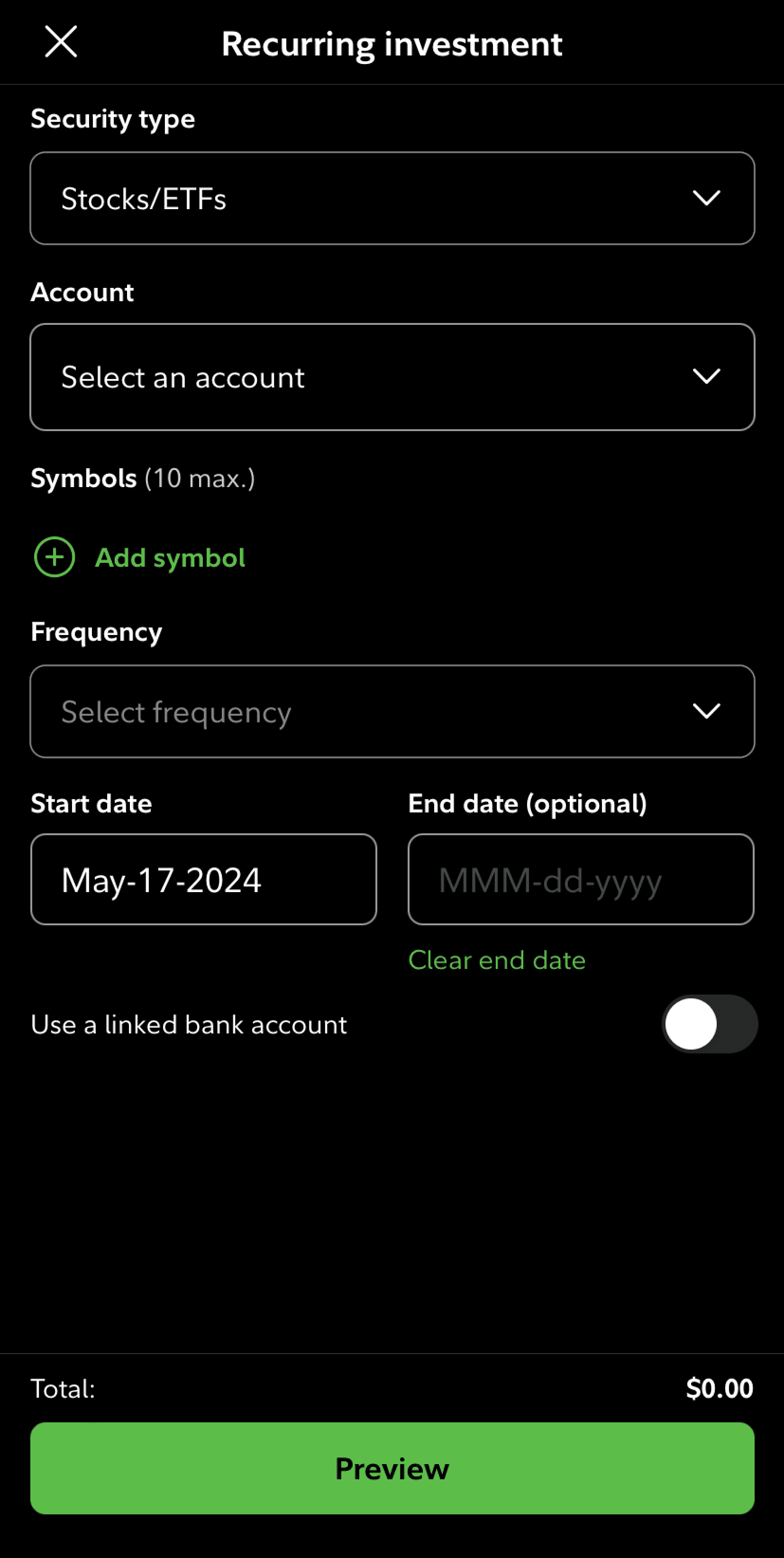
Automating contributions and utilizing digital tools to monitor cash flow, account balances, and investment allocations can simplify adherence to a financial plan. Such tools also make it easier to adjust when circumstances change and to stay aligned with your long-term objectives.
Can Long-Term Investment Strategies Help?
Yes, purposeful planning naturally incorporates long-term investment strategies.
When defining specific financial goals, such as retirement, a down payment, or a child's education, individuals gain clarity on the timeline and risk tolerance needed for their investments. This clarity aids in choosing appropriate vehicles like brokerage accounts, IRAs, workplace retirement plans, or custodial accounts, and in deciding on suitable asset allocation.
Fidelity’s Family & Finance research suggests that families who openly discuss finances are better prepared for wealth transfers.
They often utilize tools like Fidelity's Unified Managed Household platform for goal-based, tax-smart planning across generations. This approach enables individuals to select investment vehicles and strategies that align with their defined purpose, optimizing for growth while managing risk over extended periods.
Advisors often emphasize that structured plans can boost confidence and outcomes, helping clients prioritize long-term security.

What Essential Brokerage Tools Aid This Planning?
Modern brokerage platforms offer various tools to support purposeful financial planning. While specific offerings vary, common features include:
- Goal-setting trackers: Digital dashboards that allow you to input financial goals (e.g., retirement, college savings) and track progress in real-time.
- Automated savings and investing: Features enabling recurring transfers from your bank account to investment or savings accounts, ensuring consistent contributions.
- Budgeting tools: Some platforms integrate with budgeting apps or offer their own features to help visualize spending and identify areas for savings.
- Educational resources: Articles, webinars, and calculators to help understand different investment options, risk management, and financial planning concepts.
- Advisor access: Many platforms offer access to financial advisors, either digitally or in-person, who can help create personalized plans and guide investment decisions.
Fidelity's emphasis on “progress tracking” and tools like Smart Habits highlights the importance of these practical features.
They help transform resolutions into tangible financial gains. These capabilities support broader elements of financial planning, such as retirement readiness, emergency savings, and debt repayment strategies.
The Bottom Line
Fidelity's latest study identifies a clear trend: Americans are increasingly adopting a “planning with purpose” mindset to manage their finances. In a period of economic uncertainty, this proactive engagement represents a strategic move toward enhanced financial security.
Consumers can transition from broad aspirations to tangible progress by defining clear goals, translating them into actionable steps, leveraging modern tools, and consistently reviewing progress. This shift toward purposeful action forms the foundation of a resilient financial approach, supporting long-term financial wellness.