Interactive Brokers (IBKR) is adding a new way for eligible clients to fund brokerage accounts: stablecoin deposits, starting with USDC, available 24/7, including weekends and holidays.
For U.S. consumers, the practical change is around timing, your deposit is no longer tied to bank hours or wire cutoffs.
Why it matters: getting money into a brokerage account can still be slower than many investors expect, especially when you are moving funds across borders or trying to react quickly to markets.
This update also shows how traditional brokerages are selectively using crypto infrastructure when it improves the back-end plumbing, without turning the brokerage account itself into a crypto wallet.
Key Takeaways
- Interactive Brokers now allows eligible clients to fund accounts 24/7 using stablecoins, starting with USDC.
- Deposited USDC is received via a wallet flow supported by zerohash and then converted to U.S. dollars for your brokerage account.
- IBKR says deposits can show up within minutes, versus multi-day delays for wires and other bank transfers.
- IBKR charges no deposit fee, but you still pay blockchain network fees and a zerohash conversion fee (0.30% per deposit, $1 minimum).
- IBKR plans to add RLUSD and PYUSD in the coming weeks, expanding beyond USDC.
What exactly did Interactive Brokers announce?
Interactive Brokers announced that eligible IB LLC clients can fund their brokerage accounts using stablecoins, beginning with USDC (USD Coin). Deposits can be made 24/7.
Once received, they are converted into U.S. dollars and credited to the brokerage account as available cash. The goal is to reduce delays associated with traditional funding methods.
Bank wires can take days, may be costly (particularly cross-border), and only move during banking hours.
The rollout was communicated alongside other product updates, including a redesigned GlobalTrader mobile app, in the company’s January 2026 announcements.
For more detail on the rollout, see Interactive Brokers’ announcement distributed via Business Wire.
How does stablecoin funding work at IBKR?
In practice, this is “stablecoin in, dollars out.” You are not holding or trading stablecoins inside your brokerage account through this feature.
Instead, stablecoins are used as the transfer method, and the end result is U.S. dollars credited to your account.
Where does the stablecoin go?
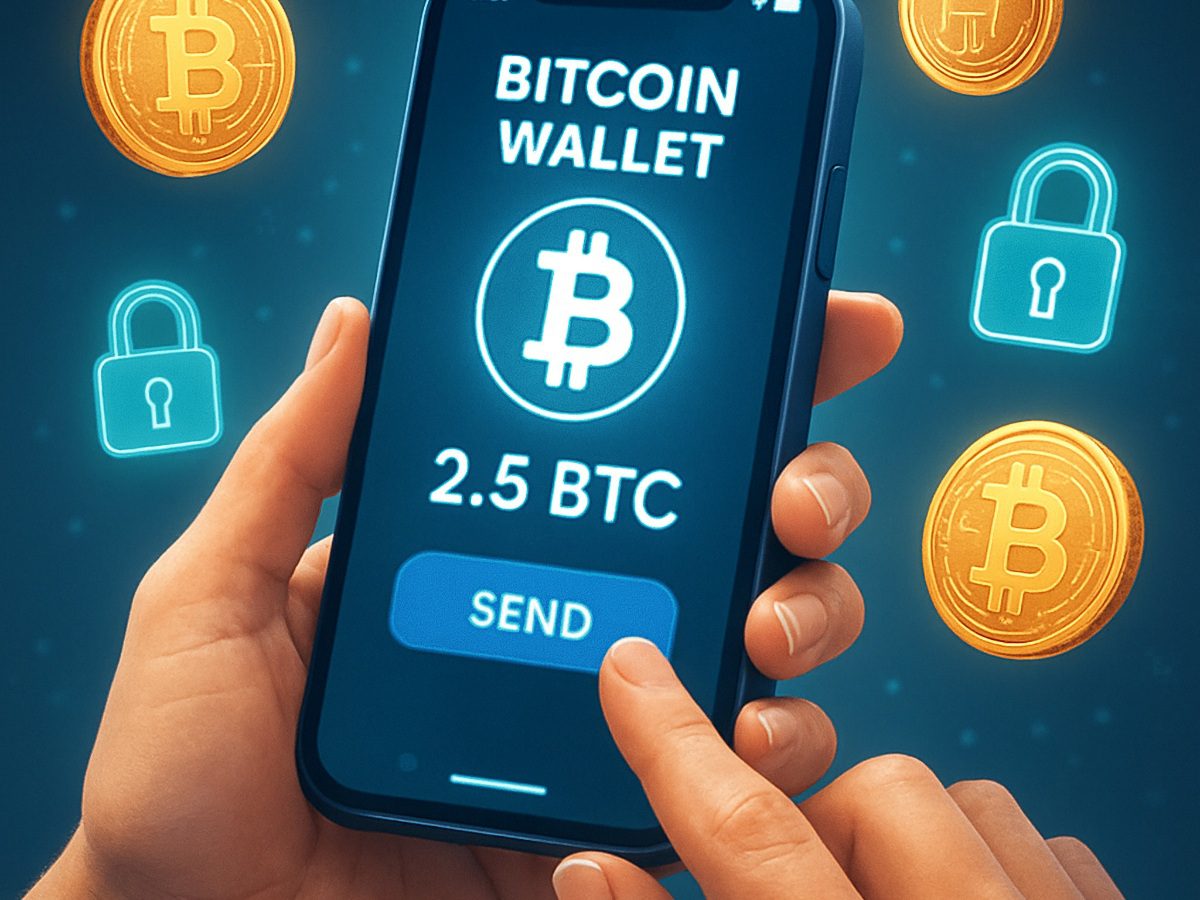
Eligible clients transfer USDC from a crypto wallet through a wallet flow facilitated via IBKR’s partnership with zerohash.
After receipt, the stablecoin is converted to U.S. dollars (USD) and deposited into the brokerage account, typically within minutes.
IBKR also has a dedicated product page outlining the basic mechanics, eligibility, and availability at Interactive Brokers’ stablecoin funding overview.
Is this the same as “instant settlement” for trades?
Not exactly. The faster part refers to account funding, meaning how quickly tradable cash appears in your account.
Trade settlement rules (including the standard settlement cycle for stocks, ETFs, and other securities) are separate and can still apply depending on the product and market.
What this changes is the time between sending money and having buying power available to place trades or meet margin-related needs.
Why does 24/7 stablecoin funding matter for everyday investors?
Many long-term investors may not notice a difference week to week. However, always-on funding can matter in a few common situations.
If your bank transfer will not clear until Monday, but markets are moving now, faster funding can remove a timing bottleneck and reduce opportunity cost.
IBKR provides access to 170 markets, and delays can be more frustrating when your local banking hours do not match the exchanges you are trading.
If you already hold stablecoins, moving it directly into a brokerage account may be simpler than routing through a bank account first.
More broadly, this reflects a trend of using blockchain-based rails where they reduce cost and delay, while still crediting customers in traditional dollars inside the brokerage.
What stablecoins are supported, and what is coming next?
At launch, the supported stablecoin is USDC. Interactive Brokers has said it plans to add RLUSD (Ripple’s U.S. dollar stablecoin) and PayPal USD (PYUSD) in the coming weeks.
Additional stablecoin support can matter because each token has its own ecosystem, wallet compatibility, and on-chain fees.
Having more options can also reduce the need for extra conversions between different tokens before funding.
What will this cost you in fees?
IBKR says it charges no deposit fee for stablecoin transfers. However, the transfer still may involve other costs.
The main fees described in the feature details include blockchain network fees and a conversion fee.
Zerohash applies a 0.30% conversion fee per deposit, with a $1 minimum, when converting USDC into U.S. dollars.
If you deposit frequently, that percentage-based conversion fee can add up. If you deposit less often, the fee may be a smaller share of the total amount moved.
What are the risks of using stablecoins to fund a brokerage account?
Stablecoins are designed to track the U.S. dollar, but stable does not mean risk-free. Key practical risks include transfer mistakes and wallet security.
If you send funds to the wrong address or on the wrong network, recovery may be difficult or impossible.
If your wallet is compromised, stablecoins can be stolen before they ever reach your brokerage account. Understanding how to manage your crypto wallet helps reduce that risk.

Compared with an ACH transfer, this workflow introduces additional steps and a conversion partner.
These tradeoffs generally come with crypto-native transfers, which offer speed and flexibility but require more user attention to addresses and networks.
How does IBKR’s approach compare with Robinhood or Coinbase?
Interactive Brokers is using stablecoin funding primarily as a way to move money into a brokerage account to end in U.S. dollars credited for trading.
Coinbase, by contrast, is a crypto-first platform where stablecoins can be a core balance type and trading pair.
Robinhood and other retail brokerages have offered crypto features. IBKR’s distinction is the emphasis on funding speed for a multi-asset brokerage account trading across global markets.
For many investors, the underlying question is simple: how quickly can deposited funds become tradable cash.
How can you use stablecoin deposits without creating a tax mess?
Using stablecoins to fund an account can be straightforward or complicated, depending on how you got the stablecoins in the first place.
Transferring a stablecoin you already hold may involve taxable events if you sold another asset to get it, or if you swapped between tokens.
Even though USDC is designed to be $1, gains and losses can still occur depending on how and when you acquired it.
If you are considering this feature, it helps to keep clear records of when you acquired the stablecoins and your cost basis.
What does this signal about the future of trade liquidity?
IBKR’s stablecoin funding feature suggests demand for around-the-clock access to funding. It points to brokerages keeping accounts in dollars while using blockchain rails to reduce delays.
From a consumer perspective, the immediate takeaway is optionality. This does not replace bank transfers for everyone, but it adds another path for people who already use stablecoins.
The Bottom Line
Interactive Brokers’ stablecoin funding option focuses on deposit timing: moving USDC into a brokerage account 24/7. It then converts it to U.S. dollars used for trading.
For many buy-and-hold investors, it may not change day-to-day investing. For active traders and international clients, it could reduce the delay between initiating a transfer and having tradable cash.