

Interactive Brokers says eligible clients can now fund their brokerage accounts 24/7 using stablecoin. This near-instant processing can make cash available to trade even on weekends and holidays.
The company announced the update on January 15, 2026, in its release on stablecoin account funding.
For U.S. consumers, the main point is not “crypto trading.” It is faster access to U.S. dollars inside a brokerage account when banks are closed.
If you have ever initiated a deposit after cutoff times and had to wait, this feature is designed to reduce that delay. In practice, Interactive Brokers is using stablecoins as a payment rail to speed up funding.
Key Takeaways
- Interactive Brokers launched 24/7 account funding via stablecoin for eligible clients, including weekends and holidays.
- Funding uses USDC today, with RLUSD and PYUSD expected to be added the following week.
- Deposits process near-instantly, letting clients trade across 170 global markets sooner than with ACH or wires.
- No fee for deposits from the broker, but Zerohash applies a conversion fee of 0.30% ($1 minimum).
- This signals a shift toward always-on settlement for brokerage money rails.
What exactly did Interactive Brokers announce?
Interactive Brokers announced that eligible clients can fund their accounts 24/7 using stablecoin with near-instant processing. Clients can deposit funds and begin trading without waiting for traditional bank processing windows.
The goal is faster access to trading across 170 global markets. It uses stablecoins as a bridge between crypto wallets and U.S. dollar brokerage cash.
The announcement was covered in official materials and distributed via Business Wire’s write-up of the launch.
Why does “24/7 funding” matter if markets still have hours?
Even when stock exchanges have set trading hours, funding delays can be a real bottleneck. ACH and wire transfers are often limited by bank cutoff times, weekends, and holidays.
Interactive Brokers is addressing the problem of money not being available when you want to trade. The approach converts stablecoins to dollars on receipt so the account is funded immediately.
This matters for reacting to market news or meeting margin needs. It also helps investors who trade products outside standard U.S. equity hours across 170 global markets.

How does Interactive Brokers’ stablecoin funding work?
What do you send, and what do you receive?
Clients send USDC from a crypto wallet to a wallet provided through Zerohash. Supported blockchains include Ethereum, Solana, and Base.
The stablecoin is automatically converted into U.S. dollars and credited to the brokerage account. You send stablecoins out of a wallet and see U.S. dollar cash appear in your account.
Who is Zerohash in this process?
Zerohash is the partner that facilitates the stablecoin-to-fiat flow and conversion step. Zerohash provides the crypto infrastructure, while Interactive Brokers provides the brokerage account and asset custody.
Which stablecoins are supported and who is eligible?
Is it only USDC, or will RLUSD and PYUSD be added?
Today, the feature supports USD Coin (USDC). Interactive Brokers plans to expand support to Ripple’s RLUSD and PayPal’s PYUSD the following week.
These are U.S. dollar-pegged stablecoins intended to maintain a 1:1 value with USD.
Can any Interactive Brokers customer use stablecoin funding?
The company describes the feature as available to “eligible clients.” Eligibility can vary by jurisdiction, regulatory status, and country of residence.
U.S. consumers should note that not every account may qualify. If you are not eligible, you would continue using traditional funding methods.
What does it cost compared with ACH or wire transfers?
Interactive Brokers charges no fee for stablecoin deposits. However, the partner conversion fee is 0.30% per deposit, with a $1 minimum.
You may also pay blockchain network fees which vary by network conditions. Stablecoin funding may be cheaper than cross-border wires but could be higher than ACH.
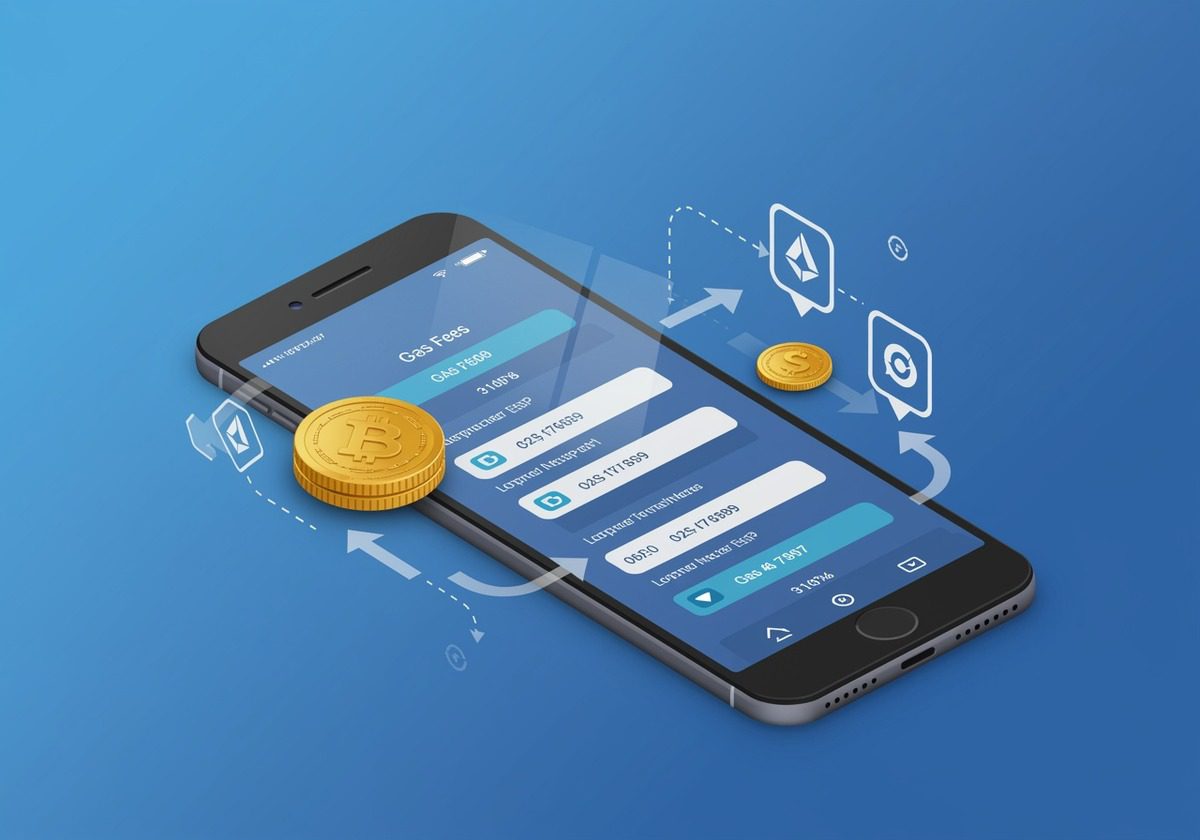
“No fee from the broker” does not mean no total cost. Total costs include conversion fees and network fees tied to the transfer.
What are the risks and limitations U.S. consumers should consider?
Are stablecoins truly risk-free for brokerage funding?
Stablecoins are designed to hold steady value but are not the same as insured bank deposits. Consumers face risks like wallet errors and blockchain delays that do not apply to ACH funding.
There is also issuer and counterparty risk involved. These do not apply to FDIC-insured checking accounts in the same way.
What can go wrong operationally?
The transfer process adds operational failure points like sending to the wrong address. Blockchain network congestion can also cause unexpected delays.
On-chain transfers generally cannot be reversed like bank transfers. Users must manage private keys and double-check deposit instructions carefully.
How does this compare with Robinhood or Coinbase funding?
Interactive Brokers focuses on using stablecoins to fund traditional accounts for global trading. Coinbase is primarily crypto-native, while Robinhood relies mostly on standard banking rails.
Interactive Brokers positions stablecoins as a faster rail to trade global equities. Crypto exchanges already provide always-on transfers within their own ecosystems.
Consumers should compare deposit windows, fees, and hold times. Weigh settlement speed against total cost and your comfort with crypto transfers.
What does this signal about the future of brokerage funding?
This launch points to a shift where firms use stablecoins as “plumbing” for transfers. More brokerages may explore blockchain-based settlement to reduce funding delays.
This intersects with real-time payments and faster movement between wallets and investment accounts. Interactive Brokers’ plan to add more stablecoins suggests they view this as an expandable option.
The Bottom Line
Interactive Brokers’ stablecoin funding feature focuses on speed and access. It shifts account funding from bank-timed deposits to 24/7, near-instant funding in U.S. dollars.
For investors comfortable with stablecoins, it may reduce delays when timing matters. It is a signal that brokerage funding is expanding toward more always-on options.