

On February 10, 2026, the cryptocurrency exchange Kraken announced the launch of Kraken 360. This suite of tools is meant to streamline how new blockchain protocols are created and brought to market.
According to the official announcement from Kraken, the stack combines technical infrastructure, operational support, and Kraken’s distribution network. The goal is to help projects reach millions of users from day one.
Put simply, Kraken 360 is an exchange-backed protocol launch platform that aims to reduce operational and security risks. It standardizes how new crypto assets launch to ensure a more stable market entry.
For U.S. consumers, the practical question is how this changes access to new tokens. If launches become tightly integrated with a major exchange, new assets may show up faster in a familiar trading app.
At the same time, it could concentrate more influence over which projects reach large retail audiences. This shift highlights the evolving role of exchanges as central gatekeepers in the ecosystem.
Key Takeaways
- Kraken 360 provides a full-service stack for developers to launch new blockchain protocols using Kraken’s existing infrastructure.
- The initiative aims to reduce complexity and security risks associated with new protocol launches.
- For retail investors, this could lead to faster listing times and more streamlined access to emerging crypto assets.
- By providing the underlying infrastructure, Kraken is positioning itself as a central gatekeeper and incubator in the crypto ecosystem.
What exactly is Kraken 360 and how does it work?
Kraken 360 is designed as a business-in-a-box approach for blockchain developers and protocol founders. Previously, a team launching a new protocol often had to build security frameworks and plan token distribution independently.
They also had to handle operational details like token issuance, custody, and exchange integrations. With Kraken 360, Kraken takes on more of that workload directly.
The offering includes technical foundations, security auditing, and access to Kraken’s global user base. The larger goal is to make launches more consistent and less vulnerable to early-stage technical problems.
For developers, that can mean spending less time on exchange listings and crypto wallets. Instead, they can focus more on protocol design, tokenomics, and real-world use cases.
How does Kraken 360 benefit retail crypto traders and investors?
For the average U.S. consumer, the most noticeable impact is likely to be access and timing. Historically, retail investors sometimes waited months for a project to appear on a major centralized exchange.
By the time an asset reached a platform like Kraken, earlier participants may have already traded it elsewhere. Building launches directly into its infrastructure allows Kraken to list assets faster on its spot trading platform.

Assets launched through this stack would be integrated with Kraken’s wallet, custody, and trading systems. This may reduce friction for users who want to buy or sell from day one.
For retail traders, this translates into earlier access to new coins and tokens. It also provides more consistent on-ramp and off-ramp options in fiat and stablecoins.
Why does Kraken’s distribution and liquidity network matter?
Liquidity is a core factor in how smoothly a market functions. A common hurdle for new protocols is getting enough active trading to support stable pricing.
Kraken currently supports more than 450 cryptocurrencies. That scale gives it a built-in channel for distribution for projects that launch through Kraken 360.
When a protocol launches via Kraken 360, it gets immediate exposure to Kraken’s verified user base. In theory, that can help support earlier liquidity and market stability.
For retail investors, more liquidity can mean lower slippage during trades. Deeper liquidity makes it easier to enter and exit positions closer to quoted market prices.
How does Kraken 360 compare with Coinbase and Binance launch ecosystems?
Kraken’s move fits a wider trend of major exchanges expanding into broader ecosystems. Coinbase has built out its Base network, while Binance uses the BNB Chain as a foundation for its launch products.
Kraken 360 is a different version of that strategy because it supports protocols across different chains. Kraken frames the effort around security and regulatory compliance.
This makes Kraken look less like a trading venue and more like a protocol launch partner. The model is similar to traditional incubators but integrated directly into a regulated exchange.
What are the potential risks of Kraken 360 for investors?
A more vetted launch process may sound safer, but it can also increase centralization. If many new protocols rely on Kraken’s infrastructure, Kraken gains more power as a gatekeeper.
Kraken will have significant influence over which projects receive the 360 pathway. This shapes what ultimately reaches compliance-focused retail audiences in the U.S. market.
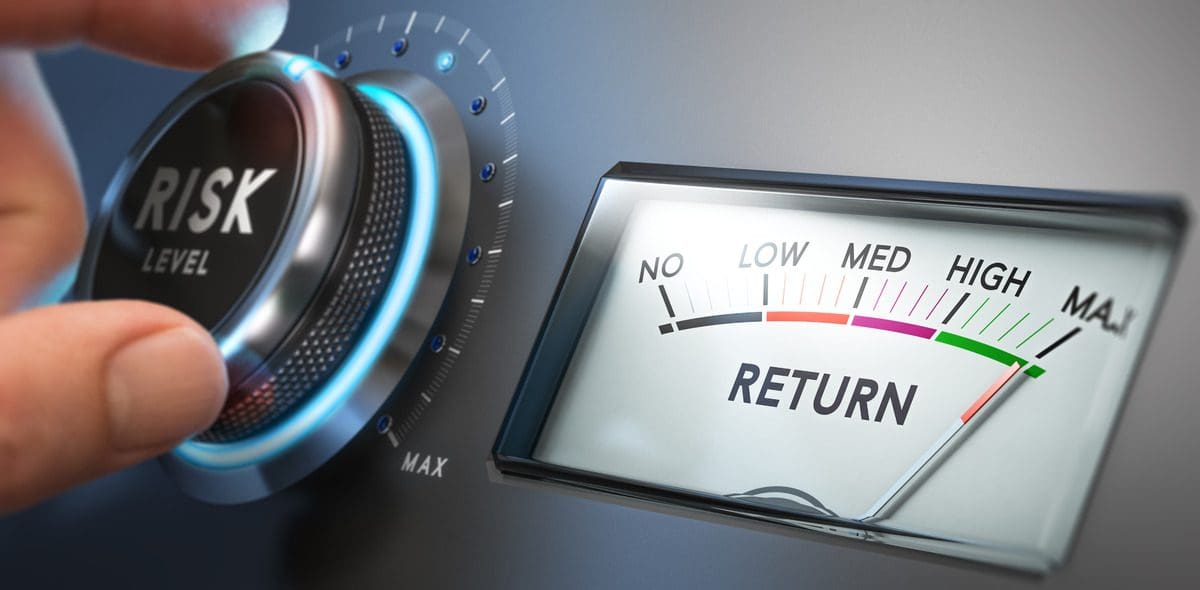
For investors, this places more weight on Kraken’s due diligence process and listing standards. Even with an exchange-backed launch, there is no guarantee of a project’s long-term success.
A protocol’s value still depends on its utility, network effects, and adoption. Regulatory changes could also affect which projects remain listed over the long term.
Why is infrastructure the new battleground for crypto exchanges?
Exchange business models are evolving as trading fees become more competitive and volumes fluctuate. Platforms are now offering services across more of an asset’s lifecycle to retain users.
By acting as infrastructure for new protocols, Kraken can build longer relationships with developer teams. This strategy creates additional service revenue and increases platform stickiness for both developers and investors.
From a retail perspective, this competition may improve launch quality and system integration. However, faster access to tokens does not remove inherent market risk.
The Bottom Line: What does Kraken 360 mean for US retail crypto access?
Kraken 360 is a notable step toward more standardized, exchange-integrated protocol launches. For U.S. retail users, new assets could become available through a familiar exchange experience with existing custody systems.
At the same time, exchange-led infrastructure means more centralized control over market access. Kraken 360 makes access smoother but increases the importance of how the exchange evaluates new launches.
U.S. consumers should monitor projects emerging from this stack, as they will likely enjoy higher liquidity. However, the fundamental rule of crypto still applies: always do your own research.
Evaluating token utility and project teams remains essential, regardless of how polished the launch appears. Using tools like a crypto screener can help in this process.