

Crypto exchange Kraken has launched Flexline, a product that allows customers to borrow funds using their crypto as collateral without selling their holdings. Announced on Feb. 25, 2026, the service aims to provide liquidity for long-term investors.
For U.S. consumers, this offers a way to access cash for short-term needs while maintaining market exposure.
However, crypto-backed borrowing introduces risks that many buy-and-hold investors may not have encountered, specifically liquidation if prices drop.
Key Takeaways
- Kraken launched Flexline, a crypto-collateralized borrowing product designed to provide liquidity without selling assets.
- Borrowing against crypto can help investors avoid realizing capital gains that would occur during a sale.
- The primary tradeoff is risk. If collateral value falls, you could face liquidation or be forced to add more funds.
- Flexline enters a growing market where major exchanges are increasingly offering lending and borrowing-style products.
What is Kraken Flexline exactly?
Flexline is Kraken’s new product that allows users to borrow funds against their existing crypto holdings. Functionally, it serves as a form of collateralized borrowing or a crypto-backed credit line.
Your crypto stays posted as collateral while you receive borrowed funds, typically in cash or stablecoins. This service is designed for convenience.
Long-term holders often face a dilemma when they need cash: sell and miss future upside, or hold and remain illiquid. Kraken is positioning Flexline as a way to bridge that gap for eligible customers who want portfolio-backed liquidity.
How does borrowing against your crypto work in practice?
Crypto-backed borrowing generally follows a specific process. First, you pledge crypto as collateral with the lending platform.
The platform then lends you funds based on a percentage of that collateral value, creating a secured loan with a defined loan-to-value ratio. As long as your loan stays within required limits, you keep your collateral and repay the balance over time with interest.
Consumers should pay close attention to product disclosures regarding how collateral is held and how interest is charged. These details determine whether a credit line is a helpful tool or a source of stress during market volatility.
Why does not selling matter for taxes?
For U.S. taxpayers, selling crypto is typically a taxable event. If you sell at a profit, you generally realize a capital gain.
Conversely, selling at a loss may result in a capital loss. Borrowing generally does not create a taxable sale because you are not disposing of the asset.
This tax distinction is a primary reason why crypto-backed credit products exist. Investors use this approach to access dollars for expenses or rebalancing without triggering immediate tax liabilities.
Taxes can become complicated if your collateral is liquidated or if you repay the loan using crypto. Many consumers find it helpful to use specialized tax tools, especially when multiple exchanges are involved.
Detailed financial reports can simplify the process of tracking these complex events.

What are loan-to-value (LTV) limits and why do they matter?
The more you borrow relative to your collateral, the less room you have for price declines. An LTV limit is the maximum borrowing amount expressed as a percentage of the collateral’s value.
If crypto prices fall, your effective LTV rises. At a certain threshold, the lender will require action.
You may need to add more collateral, pay down the loan, or accept the liquidation of your assets to bring the loan back within limits. Because crypto can swing sharply in short periods, LTV discipline is a critical risk control.
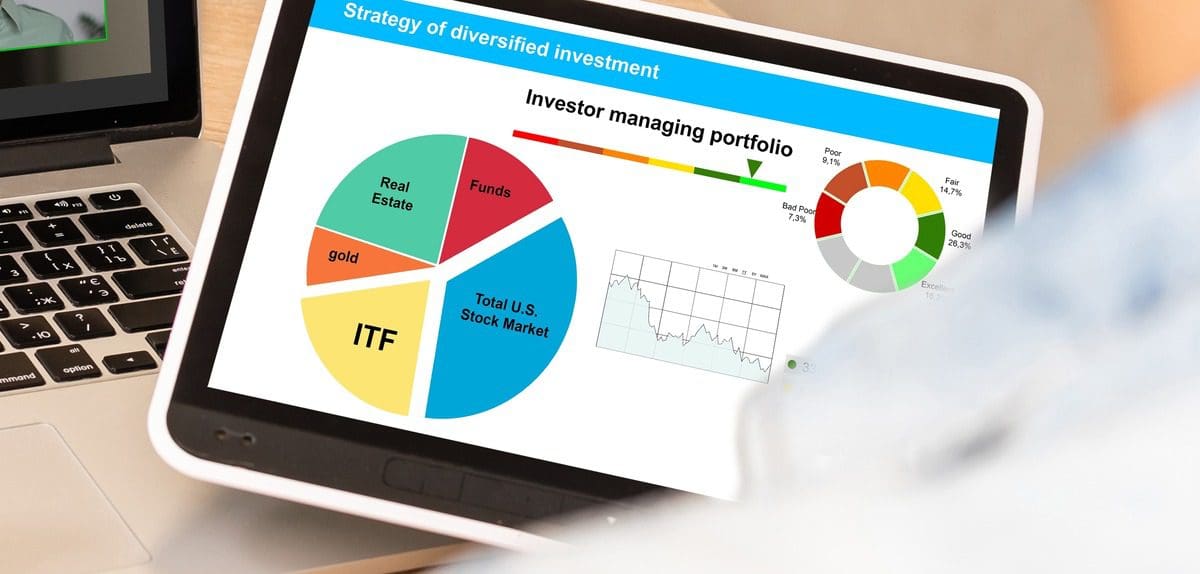
It is closely tied to your overall ability to manage secured debt. Monitoring a diversified portfolio view helps investors maintain these critical ratios during market shifts.
What liquidation risks should crypto investors understand?
Liquidation risk is the primary downside of borrowing against crypto. If the collateral value falls too far, the platform may sell your assets to protect its position.
For consumers, this can be painful for several reasons. You might be forced to sell during a downturn when prices are low.
This causes you to lose long-term exposure at an unfavorable time. Furthermore, the liquidation itself can create unexpected tax consequences based on your original cost basis.
This makes crypto-backed borrowing most suitable for those who can tolerate volatility. If a loan is funding essential expenses and you have no backup liquidity, the risk profile increases substantially.
How is Kraken Flexline different from margin trading?
Kraken is well-known for margin and derivatives trading, where users borrow to increase market exposure. Margin trading generally amplifies both gains and losses.
Flexline is instead oriented toward unlocking liquidity from existing holdings rather than increasing directional exposure. While the goal is different, both involve collateral and the risk of forced selling if requirements are not met.
Kraken Flexline vs. Coinbase: what are the alternatives?
Flexline enters a market where other major platforms have explored similar features. For example, Coinbase introduced a native crypto lending product in 2025 that allowed borrowing USDC against Bitcoin collateral.
You can see how these services compare in this Kraken vs. Coinbase lending comparison. It is important to evaluate exchange comparisons carefully.
Offerings vary by state and customer eligibility. The fine print regarding liquidation thresholds and interest accrual is often more important than the headline feature.
Consider starting with side-by-side breakdowns like Kraken’s own comparison overview. Always confirm the current terms directly within the product dashboard.
Who is crypto-backed borrowing actually for?
Crypto-backed borrowing can make sense for a specific group of consumers. It is typically for those who have significant holdings they intend to keep long-term and want liquidity without realizing tax gains.
These users must be able to manage volatility and have a plan for price drops. It may be a poor fit for consumers who need stable, predictable borrowing costs.
It is also risky for those who would be financially harmed by forced liquidation or those with tight monthly cash flow.
Is Kraken Flexline a good idea for your borrowing needs?
Deciding whether to use Kraken Flexline depends on your risk tolerance and financial plan. Crypto-backed loans are useful for short-term needs or tax planning, but they add complexity to your balance sheet.
If you are unsure how a margin call or rate change would affect you, consider modeling downside scenarios. Speaking with a financial professional before pledging your crypto as collateral is often a prudent step.

The Bottom Line
Kraken’s Flexline launch provides a way for crypto holders to access cash without triggering taxable sales. While it helps maintain market exposure, the primary tradeoff remains liquidation risk in volatile markets.
Success with the tool requires conservative borrowing and a clear understanding of the specific collateral terms.
Read More
- Best Crypto Trading Platforms for Americans: Secure, Regulated & Feature-Rich Exchanges
- Coinbase vs. Kraken: Which Crypto Exchange Wins?
- How to Use Kraken? Top Features, Tips & Live Examples
- What Are Bitcoin Futures? A Guide for Investors and Traders
- Where to Buy Bitcoin: Best Exchanges and Platforms