
Kraken Pro recently expanded its margin trading suite, adding new assets like XAUT (Tether Gold), ASTER, XDC, and CC. This update brings the platform's total margin-enabled markets to over 250.
It signals a move to provide more professional tools for both retail and institutional users. For those seeking a robust crypto margin trading platform, Kraken Pro offers a high-liquidity environment with competitive fees.
According to the official Kraken announcement, these new pairs offer more diverse leveraged opportunities. This move highlights a trend where crypto exchanges go beyond simple spot trading.
Instead, they are offering capital management features like leverage, collateralized borrowing, and portfolio hedging.
Key Takeaways
- Kraken Pro now supports more than 250 margin-enabled markets.
- New assets include gold-backed XAUT, which bridges traditional commodities and digital assets.
- Leveraged trading offers up to 5x buying power on most markets and up to 10x on select futures.
- Fee structures remain competitive, with opening and rollover fees starting at 0.01% for major assets.
What does the Kraken Pro margin expansion mean for traders?
The expansion to over 250 markets gives traders more flexibility in how they use capital on the platform. Margin trading lets investors use existing holdings as collateral to borrow funds for larger positions.
These positions can be in spot markets or other crypto derivatives like Bitcoin futures. By adding assets like XAUT and ASTER, Kraken caters to traders looking to hedge portfolios or speculate on niche markets.
This variety is becoming a standard requirement for active traders. They often need deep liquidity across asset classes, including stablecoins and tokenized commodities.

Why is Tether Gold (XAUT) a significant addition?
The inclusion of XAUT is noteworthy for investors trying to balance crypto volatility with the stability of precious metals. XAUT is a digital token representing ownership of physical gold bullion.
This makes it a unique option for those interested in gold investing through a digital lens. By making XAUT available for margin trading, Kraken lets users leverage a gold-backed asset within a single account.
This can serve as a strategic hedge. For instance, a trader might go long on gold while shorting volatile cryptocurrencies.
This creates a helpful bridge between traditional bullion trading and the high-speed crypto market.

How does leveraged trading increase buying power on Kraken Pro?
Leverage is a tool that increases market exposure without requiring the full capital upfront. On Kraken Pro, most margin-enabled markets allow for 5x leverage.
This means $1,000 in collateral could support a position worth $5,000, depending on the asset and account limits. However, increased buying power is a double-edged sword.
While it can boost potential profits, it also accelerates losses. Kraken manages this risk through maintenance margin requirements.
Traders must keep a minimum amount of equity in their accounts to keep positions open.
What are the risks of crypto margin for investors?
Margin trading involves significant risk and is not suitable for every investor. The primary danger is liquidation.
If the market moves against a position and equity falls too low, the exchange will automatically close the position. This action is taken to prevent further losses.
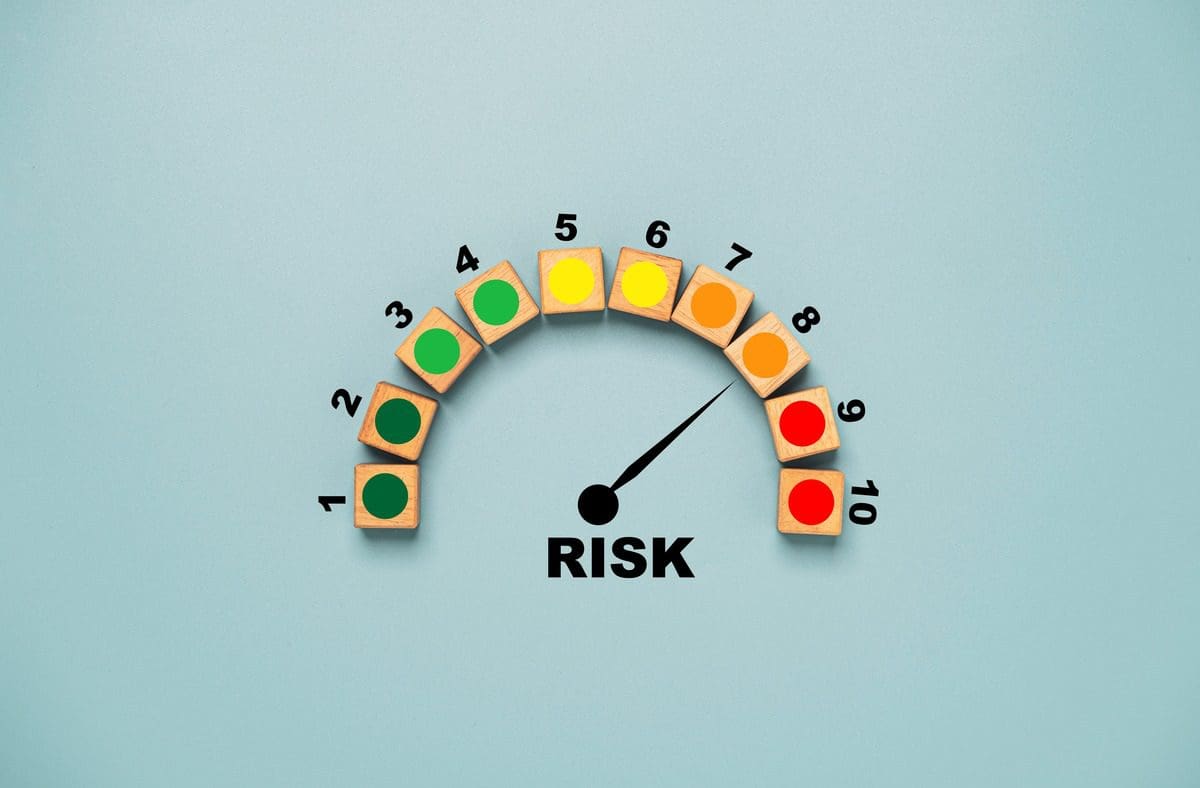
In the volatile crypto market, price swings can be sudden and severe. Furthermore, holding margin positions involves ongoing costs.
According to Kraken's margin trading guide, traders pay opening and rollover fees every four hours. These costs can reduce profits, especially for those using crypto exchanges for day trading with high leverage.
How do Kraken Pro margin trading fees compare to Coinbase Advanced?
Fee structures are often the deciding factor for active traders when choosing a platform. Kraken Pro generally positions itself as a lower-cost alternative to major rivals.
For margin trading, opening fees for Bitcoin typically start at 0.01%, with a 0.01% rollover fee every four hours. In a direct comparison of Kraken and Coinbase, Kraken Pro often proves more cost-effective for frequent traders.
Coinbase Advanced tends to charge higher fees for similar products. While both platforms provide high-level security, Kraken’s lower rollover fees can make a substantial difference over several days.
Are there specific regulatory requirements for U.S. traders?
U.S. consumers face specific hurdles regarding leveraged crypto products. Regulatory requirements often limit high-leverage products to “Eligible Contract Participants” or specific regions.
These rules are designed to protect retail investors from extreme volatility. Kraken Pro requires all users to complete rigorous Know Your Customer (KYC) verification.
U.S. clients must ensure they meet specific eligibility criteria for margin trading. These rules change frequently based on federal and state-level financial regulations.
The Bottom Line: Is Kraken Pro margin trading right for you?
Kraken Pro’s expansion to over 250 markets offers experienced investors a powerful toolkit for capital efficiency. The addition of Tether Gold provides a unique way to trade traditional value within a digital ecosystem.
This allows for more diverse collateral options and hedging strategies. That said, the increased buying power comes with the serious risk of rapid liquidation.
Investors should carefully evaluate their risk tolerance and understand margin requirements. It is essential to study fee schedules thoroughly before entering any leveraged position on Kraken Pro.