Kraken is leaning further into everyday money use, not just crypto trading. In a recent update, the company rolled out a redesigned home screen in its Krak app and introduced Split Bill.
This feature helps Krak users settle shared expenses with each other, according to Kraken’s product announcement. For U.S. consumers, the bigger story is the direction of travel.
Crypto platforms are increasingly trying to resemble full-service finance apps. They are combining investing, payments, and cash-management tools in one place.
Key Takeaways
- Kraken updated its Krak app with a redesigned home screen that puts frequent actions front and center.
- The new Split Bill feature lets Krak users request and settle shared expenses in any supported currency with zero transfer fees.
- Split Bill can send requests to multiple contacts at once (up to 12) and supports a wide range of assets.
- The changes reflect a broader trend of crypto exchanges expanding into day-to-day payments, not just trading.
What exactly did Kraken add to the Krak app?
Kraken’s update includes two consumer-facing changes: a new home screen layout and Split Bill. Both aim to support everyday payments and personal finance tasks alongside crypto trading.
The redesigned home screen is intended to cut down on extra taps by surfacing commonly used tools. It adds clearer visibility into activity and rewards.
In practice, this reflects a broader shift in app design toward quick access for the actions people use most often.
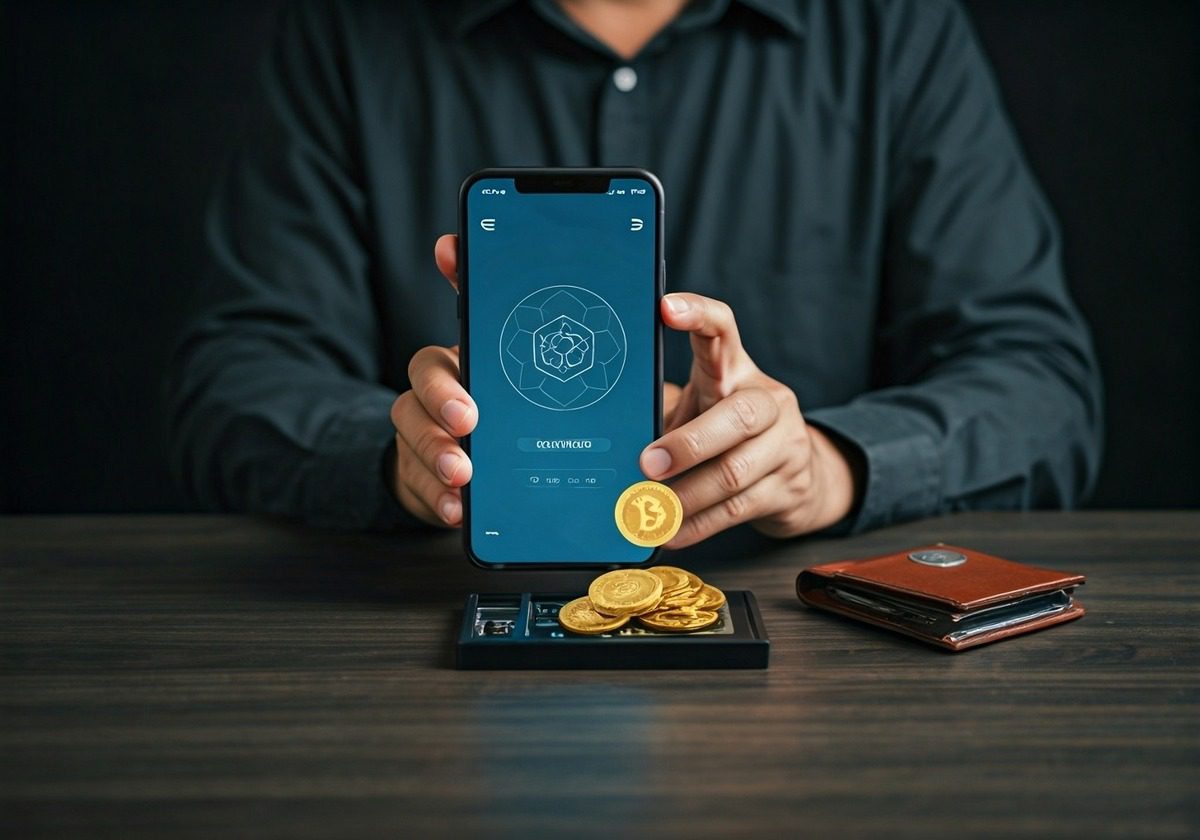
How does Split Bill work, and who can use it?
Split Bill targets a common scenario where one person covers a group expense and asks others to pay their share. In Krak, you can select contacts and choose how to divide the total, similar to other peer-to-peer (P2P) payment apps.
The main limitation is that Split Bill works only with other Krak users. It is a P2P feature within Kraken’s ecosystem rather than a universal payment option.
Kraken’s support documentation outlines the workflow and limits on its Krak Split Bill help page.
Can you really settle in “any currency,” and what does that mean in practice?
Krak is emphasizing flexibility. For example, you might split a bill in dollars while a friend pays using another supported currency or asset.
Kraken has described broader Krak support for hundreds of assets and broad country coverage. This spans both fiat-like balances and cryptocurrencies.
For consumers, “any currency” is best understood as assets Krak supports. This matters in mixed groups where some prefer fiat while others hold crypto.
The feature is meant to reduce friction in multi-currency group payments. It avoids the separate steps often required for conversion.
Is it actually zero-fee, and what costs should users still watch?
Kraken is positioning Split Bill as free for transfers between Krak users. Its product messaging highlights no transfer fees and no specific conversion markups.
For people comparing options, the appeal is a low-friction way to move value inside the app. However, “free” features still come with practical considerations.
Funding methods like bank transfers or cards may have their own fees. Also, converting between assets can introduce price slippage, which is a normal market effect.
Users should also consider the tax recordkeeping burden if settling with crypto assets. This remains a U.S. reality even if the app experience feels like a standard payment.
Why are crypto exchanges adding social payment features now?
Exchanges increasingly want to be where customers keep and move money day to day. Bill-splitting and simpler navigation are actions that make an app feel like a primary financial tool.
Krak’s interface changes reinforce this approach. By putting card controls and transfers on the home screen, Kraken reduces the gap between investing and using money.
This pattern is one many mainstream fintech apps pursue. It also makes it easier to monitor activity in one place.

How does Krak compare with Venmo or PayPal for everyday use?
Split Bill moves Krak closer to mainstream P2P payment apps. The differentiators Kraken is emphasizing include multi-currency settlement and zero-fee transfers.
However, traditional apps often win on ubiquity. Venmo and PayPal are widely used across friend groups and connect directly with merchants.
In contrast, Krak’s bill splitting is most useful when your contacts also use Krak.
Does the redesigned home screen matter if you are primarily an investor?
It can, especially if you also use the app for transfers or spending. In consumer finance apps, interface changes are more than cosmetic if they reduce steps.
A home screen that clearly shows balances and recent activity helps cut down on operational mistakes. This matters in crypto because transactions are fast and often irreversible.
What should U.S. users consider on security and account hygiene?
Kraken did not frame this as a security update, but P2P payments raise safety issues. Confirm you are requesting money from the correct contact before sending.
Treat payment requests like invoices by verifying the reason and amount. To protect your funds, use strong authentication and keep recovery options current.
If you use the app for routine payments, the stakes change. A compromised account becomes a day-to-day money movement issue.
What is Kraken signaling about what comes next?
Kraken wants Krak to function as a consumer financial hub. The company has discussed rewards and savings-style tools as part of the wider experience.
Kraken has highlighted that a cashback promotion on card spend expires March 31, 2026. This serves as a reminder that app benefits can be promotional and subject to change.
The Bottom Line
Kraken’s Split Bill and home screen redesign point to a push for everyday utility beyond trading. For U.S. consumers, the impact depends on how many of your contacts also use the Krak ecosystem.
Read More
- Kraken vs. Gemini: Which Crypto Exchange Is Better?
- Coinbase vs. Kraken: Which Crypto Exchange Wins?
- Cryptocurrency for Beginners: A Complete Guide to Getting Started
- Best Crypto Trading Platforms for Americans: Secure, Regulated & Feature-Rich Exchanges
- What Is a Crypto Token? The Difference Between Coins & Tokens