

Ledger recently added direct connectivity to Velora, a DeFi gateway built on ParaSwap. This integration allows users to interact with decentralized finance applications while keeping their private keys protected by a hardware wallet.
The update was detailed in Ledger’s announcement.
For U.S. crypto investors, the significance is practical. While DeFi offers trading, lending, and yield strategies, it often requires “hot” software wallets that are more vulnerable to phishing and malicious approvals.
Ledger’s new integration aims to reduce these common failure points by providing on-device verification without removing the self-custody benefits many crypto holders want.
Key Takeaways
- Ledger’s direct connectivity to Velora allows DeFi access while keeping private keys in cold storage.
- The “Clear Signing” feature displays readable transaction details on the device for approval.
- Velora aggregates liquidity across multiple decentralized exchanges and supports various blockchain networks.
- The system simplifies multi-step DeFi actions, reducing the need for manual bridging or multiple apps.
- Users still face inherent DeFi risks, such as smart contract exploits and asset volatility.
What exactly did Ledger announce with Velora?
Ledger introduced a native connection to Velora, allowing users to link their hardware wallets to the DeFi interface more directly. This replaces the older model that relied heavily on third-party browser extensions.
Velora, formerly known as ParaSwap, functions as a gateway that routes trades across multiple liquidity sources to seek better execution. It supports complex interactions involving multiple protocols but presents them in a streamlined flow.
Essentially, it acts as an aggregator between a Ledger wallet and various decentralized exchanges.
Why does direct connectivity matter for DeFi users?
Many retail DeFi losses occur through “edge” compromises rather than blockchain hacks. Phishing sites, malicious extensions, and confusing approval screens often trick users into authorizing harmful transactions.
Direct connectivity reduces the need to hop between different tools. Fewer steps mean fewer opportunities to connect to a fraudulent site or sign an incorrect prompt.
This approach improves security and usability while maintaining full control of private keys.
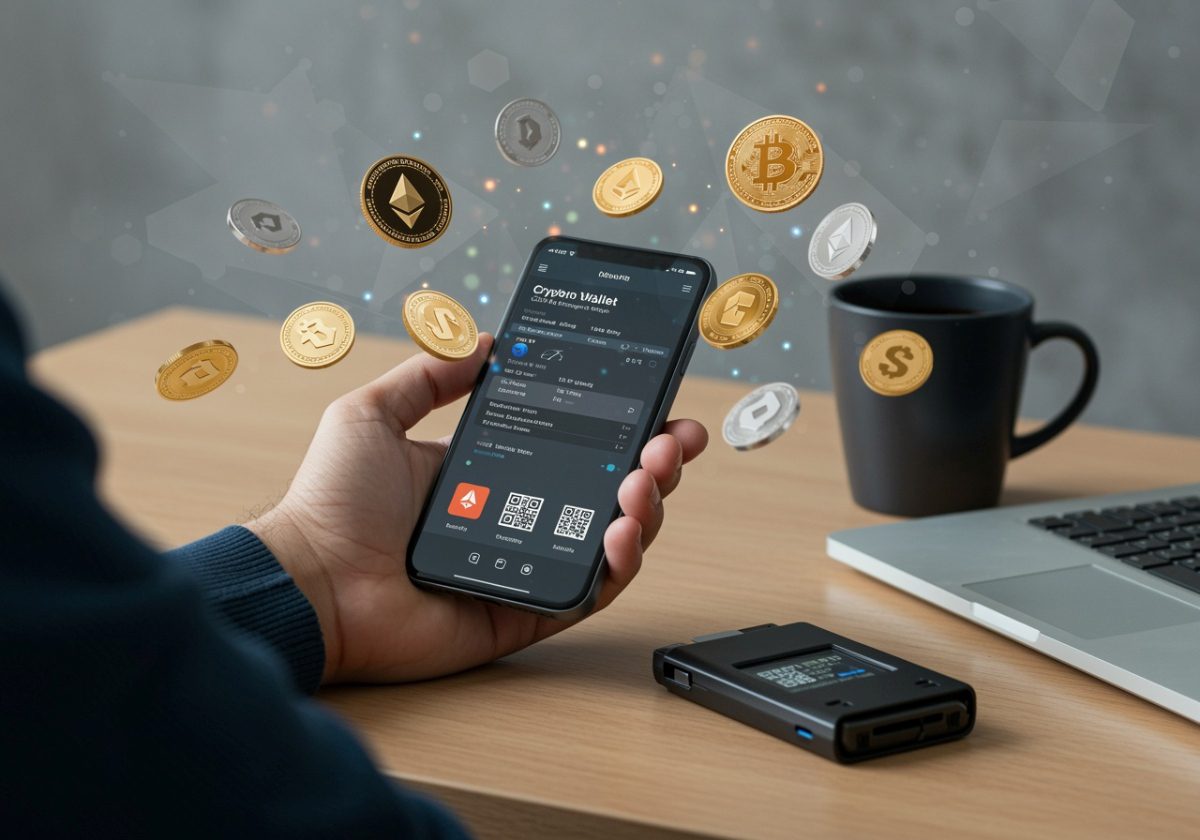
Ledger frames this as a push to make hardware-grade security more accessible for active participants. It targets users who want to use their assets rather than just store them.
How does Clear Signing change the approval process?
The core security feature of this integration is “Clear Signing.” This displays transaction details in a human-readable format on the hardware wallet screen before a user signs.
In practical terms, this is vital because many DeFi transactions are complex smart contract calls. These parameters are often difficult to interpret in a standard browser wallet.
Clear Signing helps users confirm exactly what they are authorizing before any assets move.
However, Clear Signing is not a total guarantee of safety. It serves as a guardrail against “blind” signing rather than a shield against all protocol risks.
Is this safer than using a hot wallet?
The primary difference lies in where the private keys are stored. In a typical software wallet, keys live on an internet-connected device, exposing them to browser-level risks and malware.
With a Ledger hardware wallet, keys stay on the physical device, and the signing happens offline. This setup does not make DeFi risk-free, but it significantly reduces the danger of remote key theft.
For many investors, this is an effective way to combine cold storage with active market participation.
How does Velora handle swaps and trades?
Velora operates as a liquidity aggregator. Instead of executing a swap on a single exchange, it can split orders across multiple venues to improve pricing and reduce slippage.

It also supports activity across several networks, including Ethereum and various Layer 2 solutions. This reduces the manual effort required to move assets between chains.
For active traders, the integration streamlines gas optimization and routing while keeping the security of a hardware wallet intact.
What risks should U.S. consumers keep in mind?
Even with offline keys, DeFi carries structural risks that users must acknowledge. Smart contract vulnerabilities can lead to asset loss regardless of how a transaction was signed.
Token approvals also remain a potential hazard if a user grants overly broad permissions. Furthermore, cross-chain activity can introduce additional points of failure depending on the bridge implementation.
Some older Ledger models, such as the legacy Nano S, may not support this new integration.
Investors should separate platform security from market risk. Yield strategies can fail due to volatile collateral or liquidity shocks, which are unrelated to wallet security.
How to set up the Ledger-Velora integration
The setup process typically involves updating the Ledger device and the Live software. Users then connect to the DeFi app using Ledger’s connectivity tools in a supported browser.
Ledger also provides specific guides for swapping through Velora via their official support center. The most important step for any user is behavioral: always verify transaction details on the device screen.
The future of crypto investing tools
This integration reflects a trend of crypto infrastructure moving toward mainstream financial usability. As retail investors seek safer ways to use on-chain markets, direct connectivity will likely become a standard.
Ledger has indicated plans to expand Clear Signing and security standards across its product lines. This includes efforts to improve transparency for both retail and enterprise-level users.
The Bottom Line
Ledger’s connection to Velora addresses a major DeFi pain point by combining convenient access with cold-storage protection. While it makes transaction approvals more transparent and reduces key-theft exposure, it does not eliminate the risks inherent to smart contracts.
Investors should continue to practice caution and verify every transaction on their device.