

On April 8, 2026, Ledger announced a significant evolution of its ecosystem with the launch of Ledger Wallet 4.0. This update marks a major pivot for the company.
It moves the hardware wallet from a passive storage “vault” into a functional, high-speed trading hub for self-custody crypto investors. For U.S. retail investors, the update addresses a long-standing friction point.
Many users previously felt forced to choose between the high security of cold storage and the speed of centralized exchanges. By integrating more than 15 decentralized exchange (DEX) providers directly into the Ledger Live app, users can trade without relinquishing control of assets.
Key Takeaways
- Ledger Wallet 4.0 transforms the device from a storage tool into an active trading platform.
- New “Watch Mode” allows users to track portfolios and simulate trades without connecting physical hardware.
- Security is enhanced by trading directly from cold storage, reducing the need to move funds to centralized exchanges.
- The update introduces a real-time “Market Mood Index” and live price tickers directly on the dashboard.
What is Ledger Wallet 4.0?
Ledger Wallet 4.0 is a comprehensive software update designed to streamline the user experience for crypto investors. It focuses on those using Ledger hardware wallets and the Ledger Live interface.
Historically, hardware wallets were used primarily for “HODLing,” or holding assets long-term in cold storage. Previously, users typically had to send funds to a centralized exchange to trade Bitcoin for an altcoin.
After performing the trade, they would then send the funds back to their hardware wallet. This process often felt cumbersome and slow.
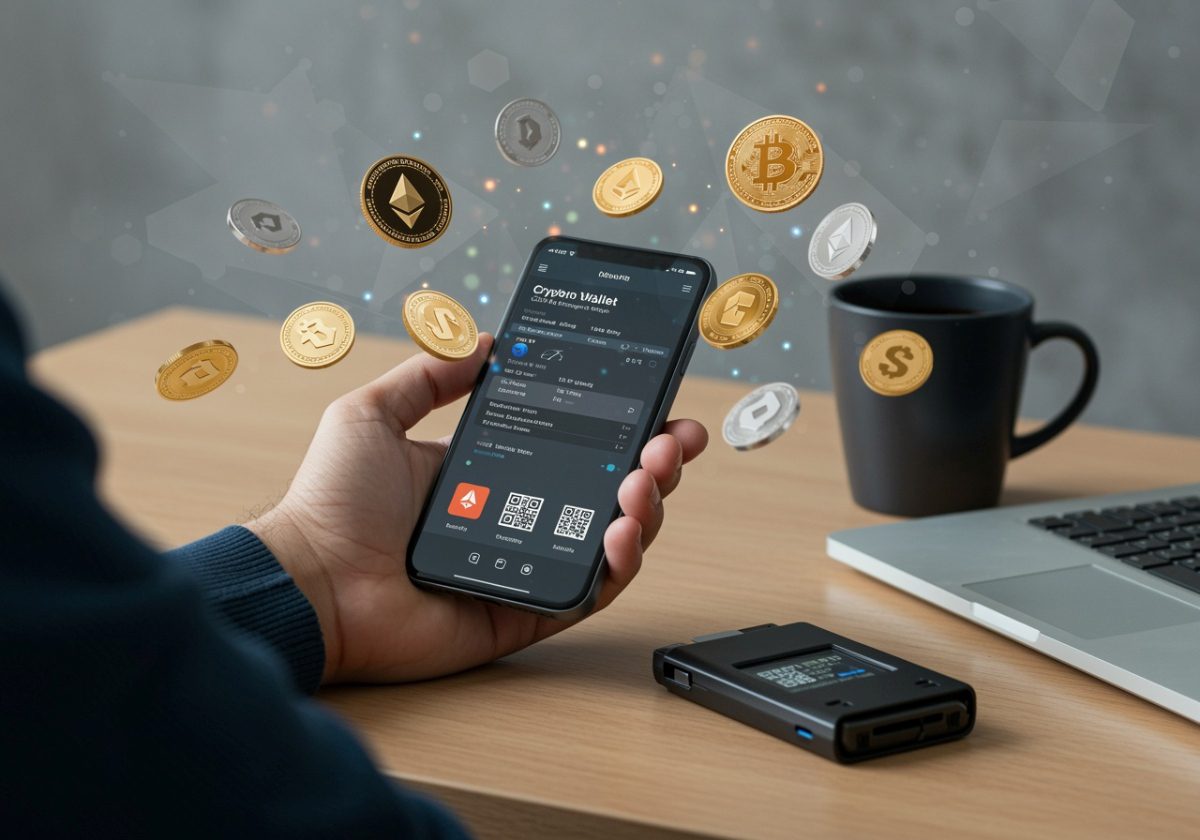
The 4.0 update eliminates much of this back-and-forth. It introduces an action-oriented dashboard that places “buy,” “swap,” and “send” functions at the forefront.
According to Ledger’s announcement, the goal is to empower smarter decision-making. The software update bridges the gap between physical security and mobile accessibility.
How does internal trading improve consumer security?
The primary risk in crypto trading is “counterparty risk,” which is the danger that a centralized exchange might be hacked. Ledger Wallet 4.0 mitigates this by allowing users to swap assets natively through integrated DEX aggregators.
This means funds are not held in a custodial wallet during the process. Private keys remain isolated within the Ledger device’s Secure Element chip throughout the trade.
Assets never leave the user's custody during trade preparation. Users are always operating within a non-custodial wallet model.
Furthermore, Ledger 4.0 utilizes a “plain language” verification protocol. When you sign a transaction, the hardware screen displays the details in a readable format.
What are the biggest changes to the Ledger Live interface?
The most visible change is the redesign of the Home tab in the Ledger Live app. Based on user feedback, Ledger moved secondary analytics to a dedicated page.
This frees up space for a real-time ticker and a “Market Mood Index.” This index provides a snapshot of bull or bear sentiment.
It helps traders gauge the market temperature at a glance without leaving the wallet interface. These tools aim to bring professional-grade market data to the self-custody experience.

The update also introduces Balance Refresh Indicators. These small timestamps show exactly when your portfolio data was last updated.
This helps ensure you aren't making decisions based on stale price data. Additionally, a new “Earn” section identifies assets eligible for staking rewards or yield opportunities.
How does Ledger 4.0 compare to centralized exchange trading?
Trading on a centralized exchange like Coinbase or Kraken is often preferred for its liquidity and speed. However, Ledger 4.0 narrows this gap by aggregating liquidity from 15 different DEX providers.
These include 1inch, OKX, and Velora, all within a single non-custodial interface. While centralized exchanges charge tiered fees, Ledger's internal trading relies on decentralized protocols.
Users typically pay network gas fees and a provider-specific swap fee for each transaction. You must balance the benefits of self-custody with the specific fee structures of decentralized protocols.

The trade-off is clear. You maintain 100% ownership of your assets and private keys throughout the process.
What is the “liquidity gap” and how does this update bridge it?
The “liquidity gap” refers to the delay required to move assets from a secure “cold” environment to a “hot” environment. In the past, this gap often caused users to miss out on rapid market movements.
Ledger 4.0 bridges this gap by embedding the trading interface directly into the security layer. By keeping assets “cold” but the interface “hot,” investors can react to market shifts quickly.
This provides the speed of a software wallet with the protection of offline key storage. It effectively streamlines the transition between storage and execution.
Who can access these new Ledger Wallet 4.0 features today?
Existing Ledger owners can access these features by updating their Ledger Live application to the latest version. A standout feature for all users is the new “Watch Mode.”
This allows you to explore the ecosystem and simulate trades on your mobile device without needing to plug in your hardware signer. For those interested in daily spending, the update features integration with the CL Card.
This allows users to fund a card with their crypto assets for use at retailers. This expands the Ledger ecosystem into a complete management stack, as noted in industry analysis.
Is Ledger Wallet 4.0 right for active crypto traders?
Ledger Wallet 4.0 is particularly relevant for active traders who value the benefits of self-custody. If you regularly swap cryptocurrencies but worry about exchange risks, this update provides a middle ground.
It brings key trading tools directly into the hardware wallet ecosystem. This includes market data and direct DEX access.
The Bottom Line
Ledger Wallet 4.0 represents a clear shift toward “active self-custody.” By reducing technical hurdles, Ledger makes it easier for retail investors to keep assets off exchanges without sacrificing agility.
While users should remain aware of network fees and contract risks, this update provides a streamlined path for managing crypto. It creates a secure, non-custodial environment for the modern portfolio.