

The New York Stock Exchange (NYSE) is developing a platform for tokenized stocks and ETFs, potentially transforming how U.S. investors trade. This move integrates blockchain technology into traditional finance, signaling a shift toward a 24/7 market.
According to Gemini, Wall Street infrastructure is preparing for a future that mirrors the crypto market more than the traditional trading floor.
While Bitcoin recently saw a price pullback, institutional interest in digital asset technology remains high. For example, MicroStrategy recently purchased $2.13 billion in BTC.
However, the most relevant development for average investors is how this technology will modernize existing portfolios through tokenized equities.
- The NYSE is building a blockchain-based platform to enable 24/7 trading of tokenized stocks and ETFs.
- The system aims for “T-Zero” (same-day) settlement, meaning trades would finalize instantly rather than waiting one business day.
- Tokenization allows for more seamless fractional ownership of high-priced stocks and exchange-traded funds.
- The platform is pending SEC approval, with a potential rollout later in 2026.
What is the NYSE's blockchain trading platform for tokenized equities?
The Intercontinental Exchange (ICE), parent company of the NYSE, is developing this new trading infrastructure. Unlike current systems relying on older clearing processes, this platform uses blockchain to record transactions in near real time.
An official announcement from ICE notes partnerships with major institutions like BNY Mellon and Citi to manage tokenized deposits. This ensures the cash side of the trade moves as quickly as the digital stock.
The goal is a regulated venue for tokenized securities and tokenized ETFs.
How do tokenized equities change asset ownership?
Tokenization creates a digital version of a real-world asset on a blockchain. Each token represents a share of a stock or an ETF.
When buying a tokenized share of Apple or an index fund, you keep the same rights as a traditional shareholder. This includes receiving dividends and participating in proxy voting.
The difference lies in how that ownership is tracked. Blockchain provides a transparent, real-time record of ownership instead of waiting days for a central clearinghouse.
This digital record-keeping simplifies how investors view their total asset allocation.
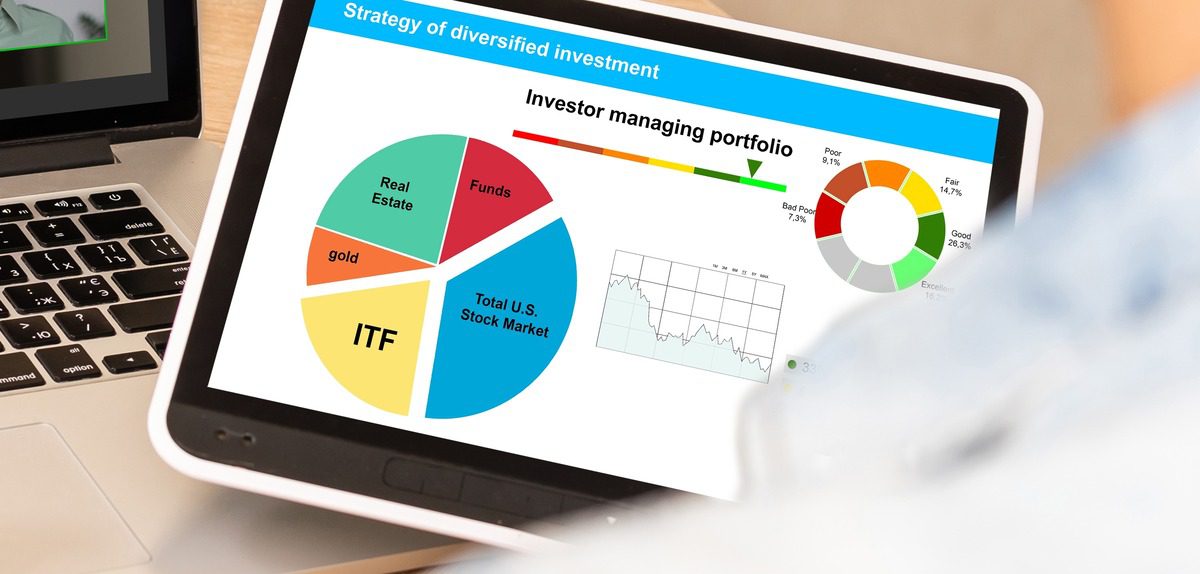
Real-time tracking reduces counterparty risk during the delay between trade execution and settlement. It also streamlines moving positions between custodians in a standardized digital format.
Why is instant trade settlement (T-Zero) a big deal for you?
U.S. markets currently use a “T+1” cycle, meaning cash from a Monday sale isn't available until Tuesday. This delay ties up capital and creates friction for brokers and clearing firms.
The NYSE aims to eliminate this wait by moving to “T-Zero” settlement for tokenized equities. For retail investors, this means significantly better liquidity.
If you sell a position for an emergency, funds could be available almost immediately. This shift also reduces capital requirements for brokerage firms.
Over time, this could lead to lower fees and tighter spreads for consumers.
How do fractional shares work in tokenized form?
High share prices often act as a barrier for new investors. While many brokers offer fractional shares, they usually manage this internally on their own ledgers.
Tokenization makes fractional ownership a native feature of the asset itself. Blockchain technology easily divides tokens into many smaller units.
This makes it simpler to buy exactly $10 or $100 of a high-priced stock like Amazon or Tesla. This increases market inclusivity and helps investors build diversified portfolios with less capital.
Mobile-first apps have popularized this, making it easier to manage investments directly from a phone.
Can you really trade tokenized stocks 24/7 now?
Traditional U.S. markets operate from 9:30 AM to 4:00 PM ET. However, crypto markets run continuously, and retail investors now expect similar access.
The NYSE’s platform is designed for 24/7 trading, allowing investors to react to global news at any time.
An analysis from Investing.com suggests this move addresses a major limitation of traditional exchanges. By operating around the clock, the NYSE can capture volume that usually moves to offshore venues after hours.
Continuous trading could also narrow the price gap between crypto and traditional equity markets.
What are the regulatory hurdles for tokenized U.S. stocks and ETFs?
Despite the technology being ready, the platform faces significant regulatory challenges. The SEC must approve rules for blockchain settlement and 24/7 trading for traditional stocks.
Other market regulators will also supervise these tokenized securities. Regulators focus on investor protection, market manipulation, and the safe custody of digital assets.
The SEC will likely require proof that blockchain systems are as resilient as current infrastructure. They must also ensure that nighttime trading doesn't cause extreme volatility due to lower liquidity.
Compliance with existing laws, including identity verification and anti-money laundering rules, remains a priority.
The Bottom Line: What does NYSE tokenization mean for retail investors?
The NYSE's move into tokenized equities suggests the gap between crypto and traditional finance is closing. For investors, this points toward a future where portfolios are more accessible and liquid.
Potential benefits include 24/7 access, instant settlement, and built-in fractional shares. While regulatory clarity is still pending, the trend is clear.
Blockchain efficiency is coming to the world's most important stock exchange. Soon, your investment strategy may involve assets that trade whenever you are ready, regardless of the opening bell.